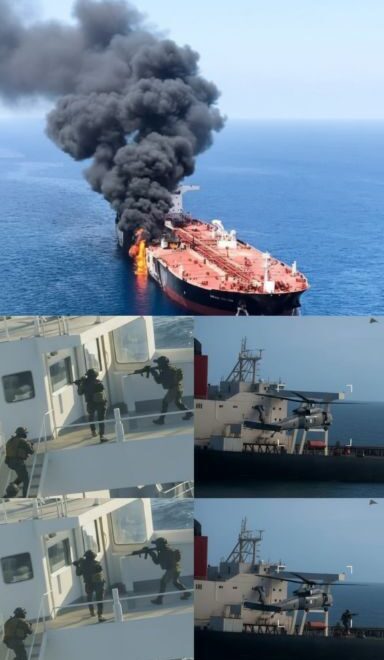
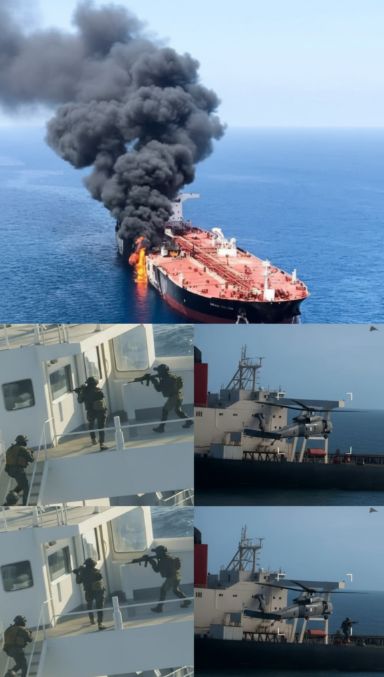
 U.S. Army captures a
  boat in Ve…See more

AP News


Task & Purpose

AP News
Overview: U.S. Army / Military Marine Operations and Vessel Actions
In recent weeks, the United States military has been actively involved in a fast-moving series of operations in Latin America and adjacent international waters:
1. U.S. Strikes and Action Against a Drug-Trafficking Vessel
The most recent confirmed action was a U.S. military strike on an alleged drug-smuggling boat in the eastern Pacific Ocean — the first such strike reported after a major U.S. military operation earlier this month. According to U.S. Southern Command, the vessel was engaged in narco-trafficking and was destroyed in a lethal strike, resulting in two deaths and one survivor. The U.S. Coast Guard was tasked with initiating search-and-rescue for the survivor.
This strike is part of a broader campaign targeting suspected narcotics trafficking by sea, especially along known smuggling routes into the United States. The U.S. military has publicly acknowledged multiple strikes over the past months, though this one is notable because it came shortly after a major operation in Venezuela.
2. Connection to Venezuelan Operations and Maduro’s Capture
The recent naval operations tie directly into broader U.S. military and political activity involving Venezuela:
Capture of Venezuelan Leader Nicolás Maduro
Earlier in January, the United States announced that Venezuelan President Nicolás Maduro and his wife were captured by U.S. forces during a joint military operation in Caracas. This dramatic development was confirmed by multiple U.S. and international sources and followed strikes on Venezuelan military and civilian infrastructure. The former Venezuelan president is facing federal drug trafficking and related charges in the United States.
President Trump also stated that the United States would temporarily oversee Venezuela’s transition of power after Maduro’s capture.
The capture marked a significant escalation in U.S. involvement, blending counter-narcotics, national security, and broader geopolitical strategy.
3. Wider Maritime Activity: Oil Tanker Seizures
Beyond the direct strike on the narcotics vessel, U.S. forces have been active in other maritime enforcement actions:
-
The United States has seized multiple oil tankers linked to Venezuela under sanctions enforcement and efforts to control Venezuelan oil exports. These seizures reflect an intensified focus on Venezuelan resources and economic leverage in the region following Maduro’s ousting.
These actions — both strikes on suspected drug vessels and seizures of oil tankers — are part of a broader strategy aimed at disrupting financial flows tied to narcotics trafficking, weakening networks allied to the former Venezuelan government, and using economic pressure as part of U.S. policy.
What Happened with the Boat Capture/Strike?
The Pacific Strike
-
When: Jan. 23, 2026
-
Where: Eastern Pacific Ocean
-
Target: Vessel alleged to be conducting narco-trafficking
-
Outcome:
-
Two suspected traffickers killed
-
One survivor reported
-
U.S. Coast Guard initiated search-and-rescue protocols for the survivor
-
This strike was announced as the first since the operation in Venezuela that resulted in Maduro’s capture and represents a continuation of a campaign against suspected drug trafficking by sea.
Why It Matters
-
It illustrates an expanded role for U.S. military forces in counter-narco trafficking missions in international waters.
-
It follows a major geopolitical shift with the capture of Venezuela’s president, indicating a broader U.S. campaign that crosses traditional law enforcement and military boundaries — blending anti-drug operations with state-level intervention.
U.S. Messaging and Goals
According to U.S. leadership statements:
-
The strikes aim to disrupt narcotics routes and trafficking networks that funnel drugs into the United States.
-
U.S. officials have claimed these efforts are significantly reducing maritime drug traffic.
However, critics have raised questions about:
-
The legal basis for such military operations in international waters
-
Whether the strikes overstep traditional counter-narcotics roles
-
Potential escalation with regional actors or governments opposed to U.S. involvement
These concerns underscore how the situation is about more than just a single boat — it’s part of a broader contest over maritime security, sovereignty, and U.S. foreign policy.
Regional and International Reaction
Reactions to these operations vary:
-
Supporters argue the U.S. is confronting organized crime and drug trafficking, protecting domestic and hemispheric security.
-
Critics and some governments suggest that U.S. military action — especially coupled with the capture of an elected head of state — raises legal and sovereignty issues and could destabilize the region or undermine international norms.
These debates are ongoing as additional details emerge.
Looking Ahead
Key questions remain:
-
Will the U.S. continue expanding military actions against suspected narcotics vessels?
-
How will regional governments and international organizations respond?
-
What legal frameworks are being used to justify these operations in international waters?
These developments are evolving quickly and have implications for global military engagement, drug trafficking policy, and U.S.–Venezuela relations.