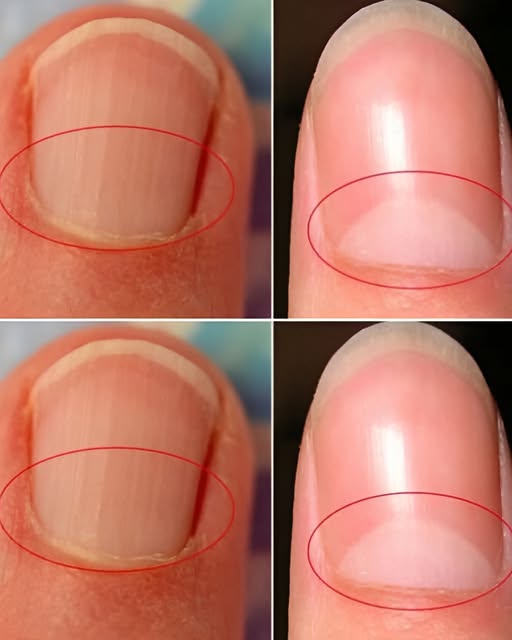
What does the half moon at the base of the nails mean?
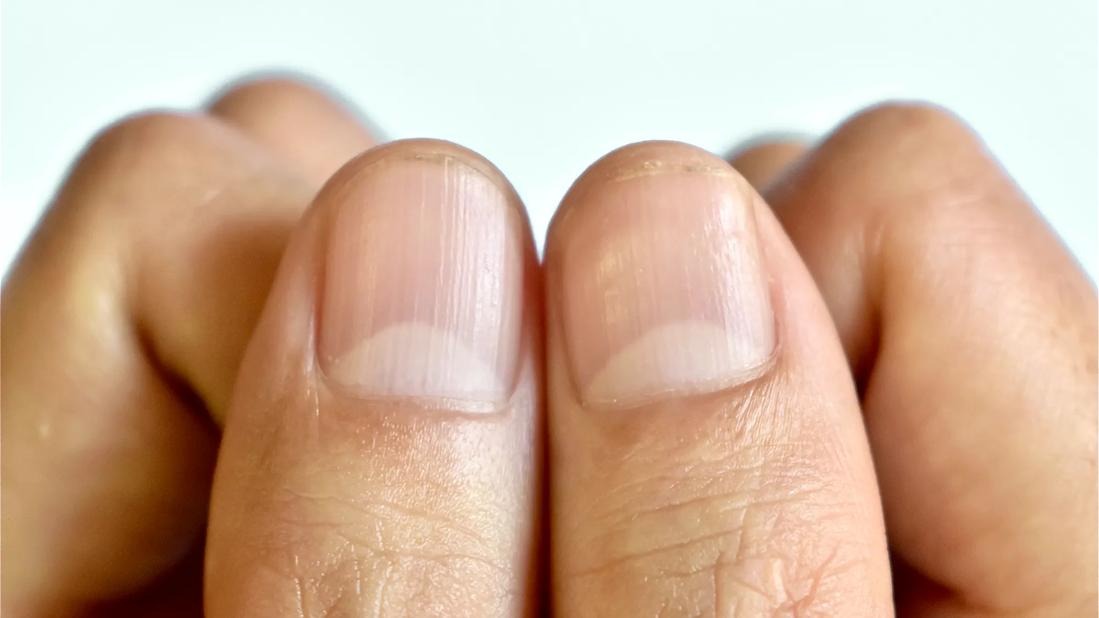
The small, pale, crescent-shaped area at the base of your fingernails—known as the lunula—often goes unnoticed. However, some individuals wonder whether changes in the lunula could reflect aspects of their overall health.
While nail health can be a general indicator of well-being, it’s important to interpret changes cautiously and in context. In this guide, we’ll explore what the lunula is, why it varies from person to person, and when you may want to seek medical advice based on its appearance.
What Is the Lunula?
The term lunula comes from the Latin word for “little moon,” referencing its crescent shape. The lunula is the visible portion of the nail matrix, the tissue responsible for producing new nail cells. Located just beneath the cuticle, the lunula typically appears as a pale, whitish arc.
The pale color of the lunula is due to its thick structure, which obscures the blood vessels beneath it, giving it a lighter hue than the surrounding nail.
Where Is It Most Visible?
The lunula is often most visible on the thumbs, but it may also appear on the index and middle fingers. For many people, the lunula is less prominent or even absent on the ring fingers and pinkies. Some people may have more noticeable lunulas than others, depending on:
- Skin tone
- Age
- Nail thickness
- Genetics
- Lighting conditions
According to the American Academy of Dermatology Association (AAD), the size, color, and shape of nails—including the lunula—can naturally vary and may not indicate an underlying condition unless paired with other symptoms.
Source: American Academy of Dermatology
Is It Normal to Have Small or Invisible Lunulas?
Yes, in most cases, a small or barely visible lunula is completely normal and not a sign of poor health. The lunula can be hidden under the cuticle, especially in children, the elderly, or people with smaller nail beds.
In a healthy adult, variations in lunula visibility from one finger to another or among individuals are common and typically harmless.

When to Pay Attention to Lunula Changes
Although variations in lunula size and color are often benign, sudden or widespread changes may be worth monitoring, especially if accompanied by other symptoms. Some researchers and health professionals suggest that certain changes in the lunula could correlate with specific health conditions. However, these observations should not be considered diagnostic without medical evaluation.
1. Disappearing Lunulas
A significant reduction in lunula visibility across several fingers may be associated with:
- Nutritional deficiencies, particularly vitamin B12 or iron
- Fatigue or chronic stress
- Thyroid dysfunction, including hypothyroidism
A study published in Clinical Dermatology highlights that changes in nail structure and appearance can sometimes signal systemic conditions, but only when combined with clinical signs.
2. Enlarged Lunulas
Overly large lunulas that extend further down the nail plate might be seen in people with:
- Hyperthyroidism
- Cardiovascular stress
- High metabolic activity
Again, these associations are not diagnostic and should only be interpreted by a licensed healthcare provider.
3. Discolored Lunulas
If the lunula appears blue, red, or grayish, it may be a reason to speak to a medical professional. Discoloration can sometimes indicate:
- Cyanosis (bluish tint due to low oxygen levels)
- Poor circulation
- Cardiopulmonary issues
- Heavy metal exposure (in rare cases)
Discoloration should always be evaluated in the context of other symptoms, such as fatigue, shortness of breath, or nail deformities.
Source: National Institutes of Health – MedlinePlus
What Causes Lunula Changes?
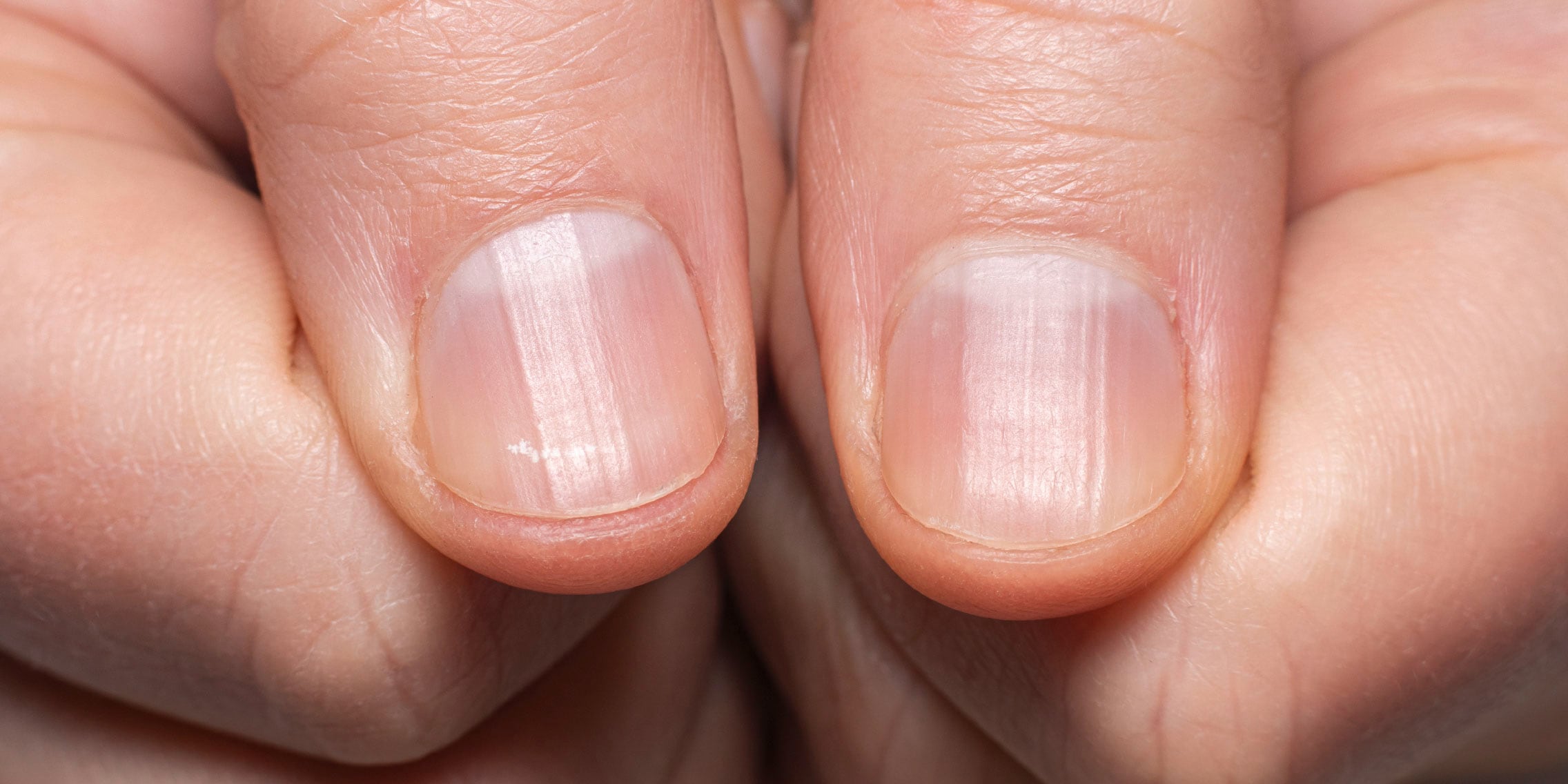
There are several potential causes for changes in the lunula, including:
- Nutritional deficiencies: Lack of essential nutrients like biotin, iron, and vitamin B12 can affect nail health.
- Stress and hormonal shifts: Chronic stress or hormonal imbalances may alter nail growth.
- Medical conditions: Disorders involving the thyroid, heart, or liver may cause visible nail changes.
- Aging: As people age, nail growth slows and the lunula may become less visible.
- Injury to the nail matrix: Trauma or pressure to the nail base can affect lunula appearance.
It’s important to note that isolated changes in the lunula—without other physical symptoms—are rarely a cause for concern.

Supporting Healthy Nails and Lunulas
Maintaining healthy nails involves the same principles as overall wellness. According to the Harvard Health Publishing, strong and healthy nails can be supported by:
- Balanced diet: Include foods rich in protein, iron, zinc, and B vitamins.
- Hydration: Drink enough water to maintain skin and nail moisture.
- Gentle nail care: Avoid harsh chemicals or rough manicures that could damage the cuticle or nail matrix.
- Protective habits: Use gloves when cleaning or working with irritants to prevent nail trauma.
Source: Harvard Health Publishing – Nail Care
When to See a Healthcare Provider
While minor changes in lunula appearance are usually harmless, certain signs warrant a professional opinion. You should contact a healthcare provider if you notice:
- Sudden loss or shrinkage of lunulas on multiple fingers
- Significant discoloration, such as blue or red shades
- Ridges, indentations, or thickening in the nail plate
- Associated symptoms, such as fatigue, cold intolerance, or hair thinning
Early consultation can help rule out or address any underlying medical conditions.

Summary: What Your Lunula May (or May Not) Say About Your Health
The lunula, or the half-moon shape at the base of your nails, is a normal part of nail anatomy and varies significantly among individuals. While it can sometimes reflect aspects of systemic health, changes in lunula size, color, or visibility should not be used alone to make any assumptions about medical conditions.
The most reliable approach is to observe changes over time and consult a qualified healthcare provider if you notice significant differences accompanied by other symptoms.
Trusted Sources and References:
- American Academy of Dermatology
- Harvard Health Publishing – Nail Care Guide
- National Institutes of Health – MedlinePlus
- Clinical Dermatology Journal (Access via PubMed)